

In case you didn’t know, skin cancer is the most common type of cancer in the US. There are three main types of skin cancer, Basal Cell Carcinoma, Squamous Cell Carcinoma and Melanoma. With 1 in 5 Americans having a skin cancer at some time in their life, almost everyone knows a friend or relative who has had a skin cancer.
Basal Cell Carcinoma (BCC) is the most common and very rare to spread to other parts of the body. It grows quietly initially, then often becomes more noticeable with time. We like to catch BCCs when they are small and easily removed, but that takes a keen eye.
Here are some tips for identifying BCC early, including some common ways patients describe BCC.
1-A growth at the site of a previous injury. I’ve heard this one a thousand times. Bug bite, cold sore, hit by a weed eater, hit by a windowsill, had a splinter, burned with a curling iron… you name it. If a growth grows in the site of a prior injury, it needs attention.
2-A spot that doesn’t heal well after injury. When an injury occurs to the skin, it creates a vacuum. New skin cells migrate in to fill in the wound. If the new population of cells has some abnormal cells, it is a perfect place for a BCC to grow. If a wound does not heal in 3 months time, it needs attention.
3-A spot that bleeds every time you shave or wash your face. Tumor cells don’t hold together very well and are more fragile or friable than the surrounding skin.
4-A “pimple” that does not go away. BCC most common occurs on the nose and is commonly mistaken for a pimple that doesn’t resolve.
5-A “scar” without prior injury. While I was still in medical school, a family member of mine learned this one the hard way. BCC can often masquerade as a scar. So, if I ask how you got certain scars in the office, it’s not just because I’m nosy. I’m making sure it’s not a BCC.
Now let’s move on to Squamous Cell Carcinoma (SCC). SCCs usually don’t spread to other parts of the body, but more recent science is showing that a small subset of SCCs may take on a more aggressive behavior and not resolve with local treatment.
Unlike, the other types of skin cancer, SCC has a well identified precancerous lesion called an Actinic Keratosis. Regular skin exams allow identification and treatment of Actinic Keratoses before they become an SCC.
Some of the warning signs of SCC and differences from BCC are exemplified in the story of a recent patient. He was a tough older man, who was gasping in pain when I touched the new, rapidly growing SCC on his chest. The pain took his breath away. When I asked to look at the rest of him, I found a much larger BCC on his shoulder that his wife had been bandaging every day for years. It “didn’t bother him”, so he wasn’t worried about it at all, and I had to encourage him to let me remove it. Pain is the number one differentiator in patient complaints between SCC and BCC. Squamous cell carcinoma is usually painful.
Here are some of the warning signs for SCC that I see and hear every day in the office.
1-Fast growing. Unlike BCC, SCC often grows pretty fast. They are hard to ignore. There is a particularly variant of SCC that can grow from nothing to quarter size in just a few weeks.
2-Crusty. Most SCCs are crusty and pink/white. Because SCCs are a growth of the outer layer of skin, they tend to have a crusty exterior.
3-Wart-like. Many patients describe their SCC as a “wart. These growths often look warty, and even the laboratory sometimes has trouble distinguishing a wart from an SCC on biopsy.
4-PAINFUL. Pain is the number one warning sign for an SCC by far. Patients will often describe pain even from “the sheets laying on it at night”. Not all SCCs are painful, but most are painful to touch.
When you are checking your skin and the skin of loved ones, please keep these warning signs in mind. Remember that the number one risk factor for skin cancer development is sun exposure. So, protect yourself from the sun!
If you find something suspicious for skin cancer, make an appointment with a dermatologist for diagnosis and treatment. To learn more about skin cancer check out our posts below.
If you know someone who may find this article helpful, please share it with them! Follow us on social media this week, and subscribe to our growing YouTube channel! If you would like to receive these posts in your email inbox, Subscribe to our Site.






















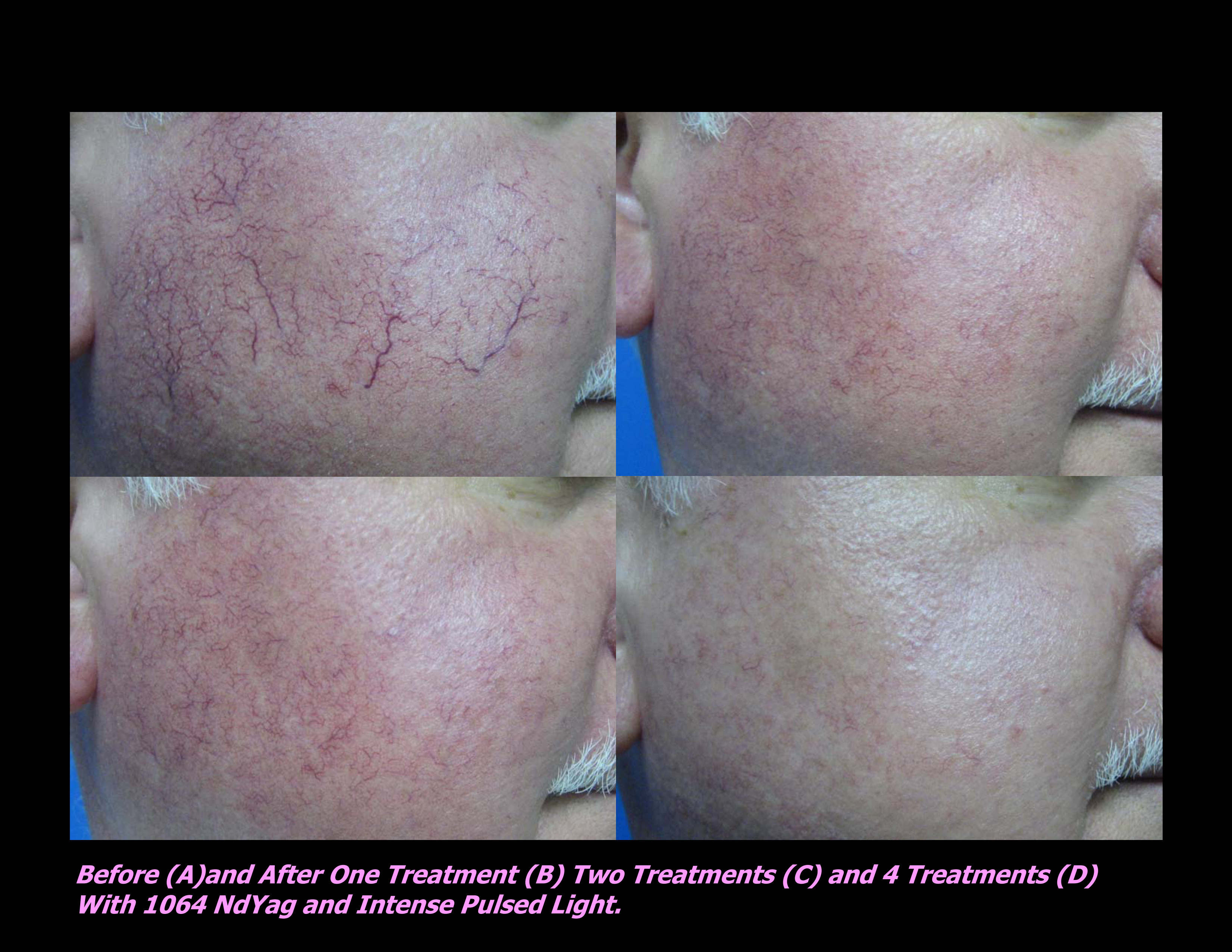
 Laser Vein Reduction Treatments




 DP Dermaceutical Products