

This is a question I am asked on occasion. Plus, it seems I have an advertisement for a collagen supplement every day in my Facebook feed. Time to do some research…
What is Collagen? Collagen is one of the major building blocks of the skin making up over 75% of the skin’s dry weight. From a cosmetic standpoint, declining collagen plays a major role in aging. From a medical standpoint, it may play a role in other skin disorders as well. Collagen is made up of four major amino acids. Proline, glycine, proline and hydroxyproline. Vitamin C, zinc, copper, and manganese are required for collagen formation.
What are the different types of Collagen in the body? There are many different types of collagen, but 80-90% of collagen in the body is Types 1,2 and 3. Collagen plays a role in the structure of skin, hair, nails, joints and the eyes.
What are the different types of Collagen supplements, and how do I choose one? This is the million dollar question. In 2020 the Collagen market was estimated at over 300 million. Collagen supplements can be derived from cow, pig and fish or a combination of those. They are available in powders, gummies, liquids and more.
How is Collagen prepared? When sources of collagen are exposed to heat they turn into “gelatin”. Gelatin can then be further broken down into Collagen Hydrosylates. Most supplements are Collagen Hydrosylates. In addition, less commonly, collagen supplements can be dipeptides and tripeptides.
Does the Collagen actually reach the skin? This has been a huge question of mine. Once collagen in any form enters the digestive track, it is broken down into those amino acids listed above. There is some evidence that consuming these amino acids and nutrients in any form leads to more availability of the building blocks necessary for collaged synthesis. However, we are scientifically unable to target nourishing collagen specific to skin. To be clear it is scientifically impossible to ingest collagen and it end up intact in our skin.
However, one of the most convincing articles for collagen supplementation uses a mouse model. In this study they put radioactive tracers on the collagen that mice ingested. Tracers could still be detected on the building blocks in the mouse skin for up to two weeks following ingestion of the supplement.
Should the Collagen supplement have any other ingredients to make it work better? Although Vitamin C, zinc, copper and manganese are required for collagen synthesis, most real scientific studies combining collagen supplements with other ingredients such as Vitamin C did not show any increased efficacy with additional ingredients. I found one other study that showed that including hyaluronic acid may be a beneficial addition.
What changes have been seen in the skin with Collagen supplements?
- Improves skin hydration, which makes the skin look smoother and more youthful.
- Improves cellulite. However improvement was only seen in those with BMI<25
- Increased skin elasticity
- Increased density of collagen
- Decreased levels of the molecules that break down collagen.
In all of the studies the changes were minimum, with 20-30% change being an average change. Generally this is often not enough change to see with your naked eye.
How much Collagen should I take? Most scientific studies were performed with 2.5 to 10 mg/day
Are there any adverse effects of Collagen supplements? In the major clinical studies, there are no major adverse effects on health. However, I did read one report that showed that many collagen supplements are contaminated with arsenic and lead because these minerals concentrate in the bones of animals.
How can you choose one? Now, let’s get back to choosing a collagen supplement. This is a highly unregulated and still not well researched area. Reviewing Amazon and this article//www.prevention.com/health/g69239826/best-collagen-powder-for-women by Prevention magazine gives good side by side comparison of some options. My biggest advice is to avoid spending a lot on these supplements since their scientific evidence is lackluster.
For me, its best that I should just focus on plain on protein rich food. Foods that are rich in the amino acids found in collagen are reported to be bone broth, unflavored gelatin, dairy, legume, spirulina, meat and eggs.
Even better, I can focus on avoiding behaviors that are definitively shown to reduce collagen in the skin.
-EXCESSIVE SUN EXPOSURE
-SMOKING
Avoiding these two things have numerous health benefits, and if you preserve some collagen along the way it is an additional side benefit in my book.
Have you tried a collagen supplement? Which one? And did you see any noticeable results? I’d love to know! Follow us on social media and give us some feedback!



















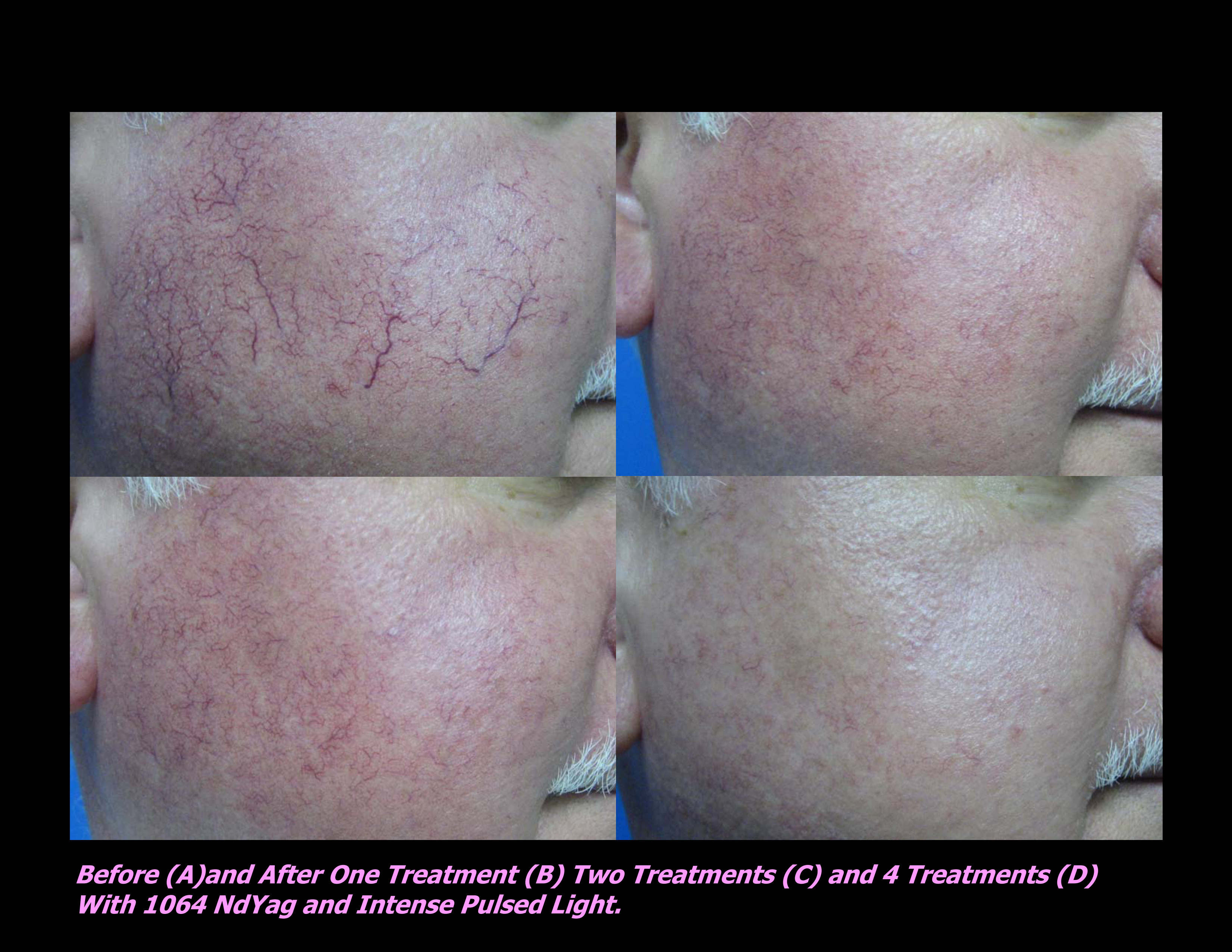
 Laser Vein Reduction Treatments






 DP Dermaceutical Products